As inclusion transforms public education, general and special education classrooms across the country welcome more students who are non-speaking or have limited verbal skills. This shift is a victory for equity, but it often brings questions from educators who wonder how to adapt their lessons and measure true academic progress.
The most important rule of thumb is simple: Non-speaking does not mean nonfunctioning or non-thinking. A quiet voice or a lack of spoken words has zero correlation with a student’s intellect, curiosity, or capacity to learn.
Presuming Competence as the Foundation
When we walk into an inclusive classroom, our first job is shifting our mindset. Presuming competence means acting on the firm belief that every student can learn, understand complex ideas, and engage meaningfully with grade-level content, even if their output methods look different. When we doubt a student’s cognitive ability because they do not speak, we inadvertently lower the bar. Instead, we must raise expectations and provide the right scaffolding to help them reach it.
Classroom Strategies for Teaching Nonverbal Students
Supporting non-speaking learners relies on robust, multi-modal communication access. Simple yet effective methods include:
- Robust AAC Systems: Provide low-tech communication boards or high-tech speech-generating devices that include rich core vocabulary (words like go, like, stop, more, different) rather than just basic wants and needs. Work closely with your school speech pathologist to make the most of this support area.
- Visual Supports: Use visual schedules, first-then boards, and topic-specific icons to anchor daily routines and make abstract concepts concrete.
- Embedded Core Words: Program specialized curriculum vocabulary—such as science classifications or math terms—directly into the student’s AAC device ahead of a unit so they can participate in class discussions.
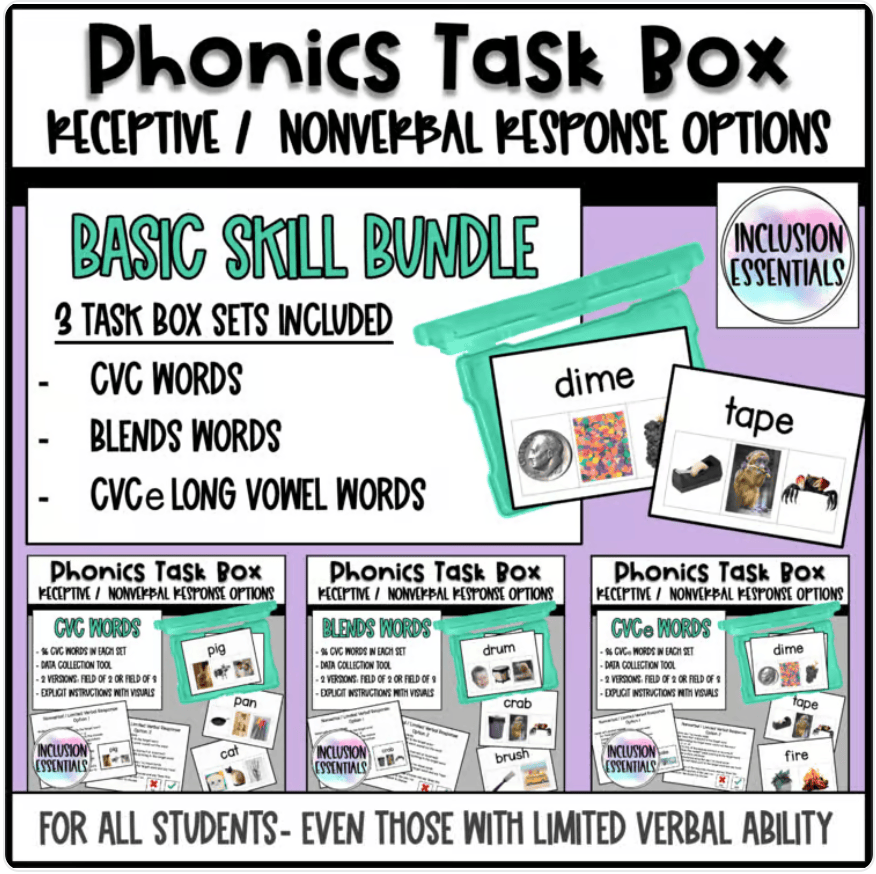
- Low-Barrier Responses: Permit alternative physical or visual responses during fast-paced questioning, such as eye gaze, pointing, gesture arrays, or matching tiles.
Equitable Assessment Strategies
Traditional assessments rely heavily on a student’s ability to listen to oral directions and produce a verbal or written answer. For nonverbal learners, we have to uncouple knowledge from speech or traditional writing.
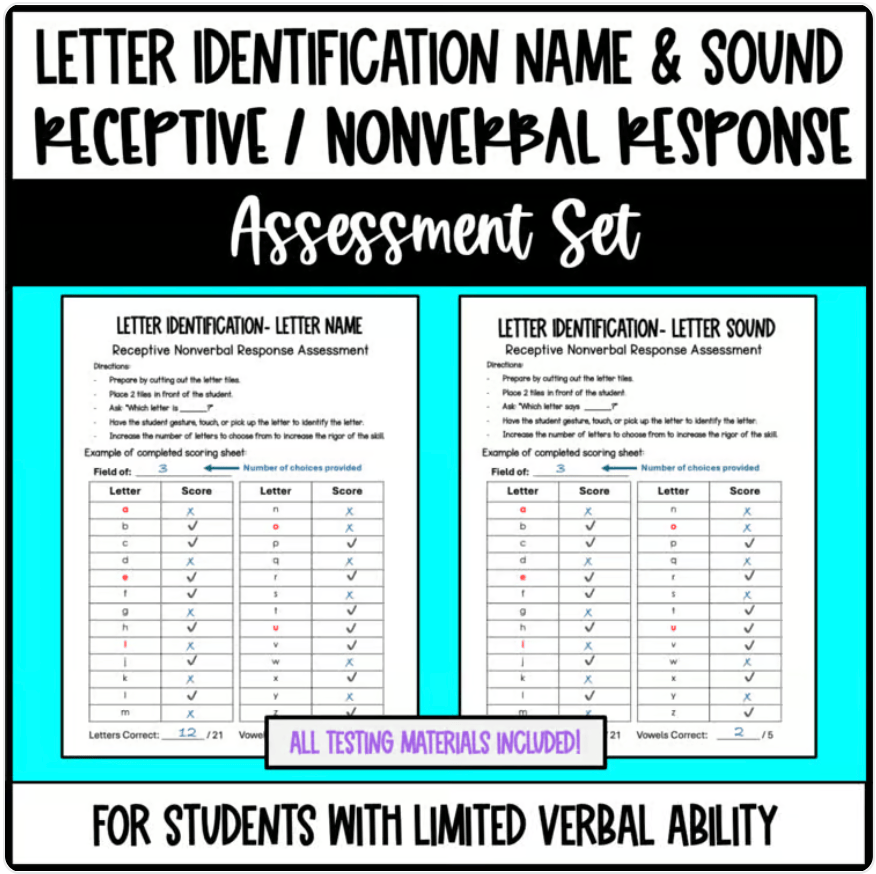
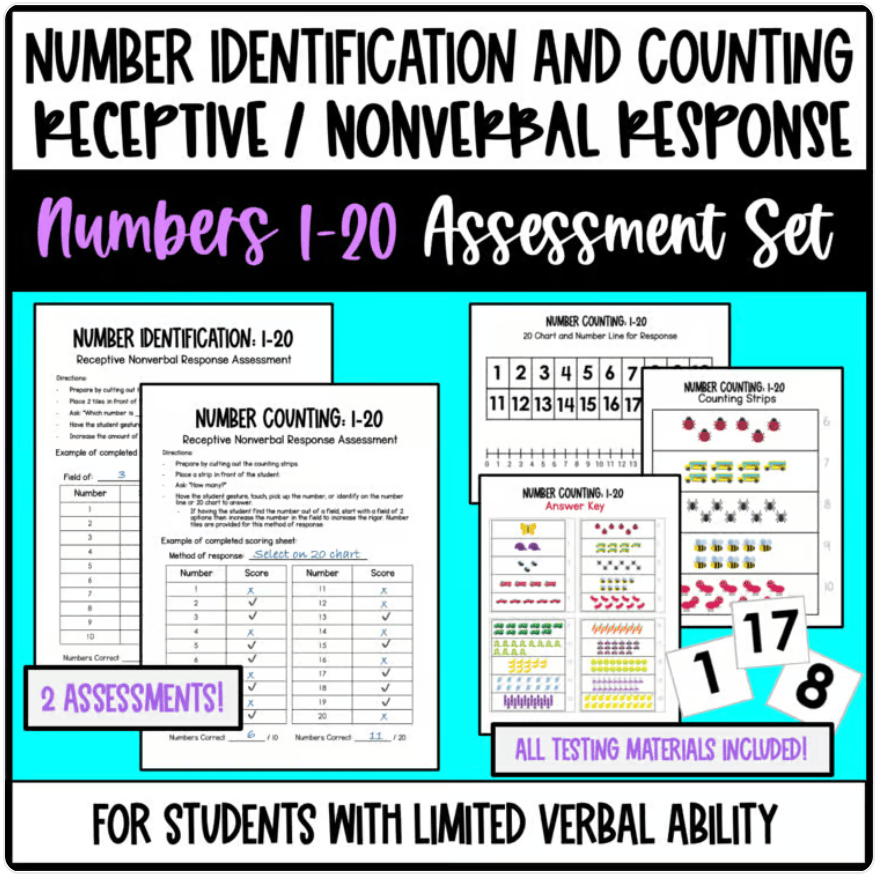
- Errorless and Modification Choices: Offer picture-based multiple-choice options or cut-and-paste matching formats that test content mastery over fine-motor or spoken hurdles.
- Observation and Work Sampling: Document understanding through guided interactive tasks, sorting activities, or digital apps that let students tap or type responses over an image of a worksheet.
- Targeted Toolkits: Utilize structured informal reading and skill inventories tailored for diverse communication needs.


Leave a comment